Knee Replacement
Modern minimally invasive, muscle-sparing knee replacement — focused on regaining motion early and a strong, lasting recovery.
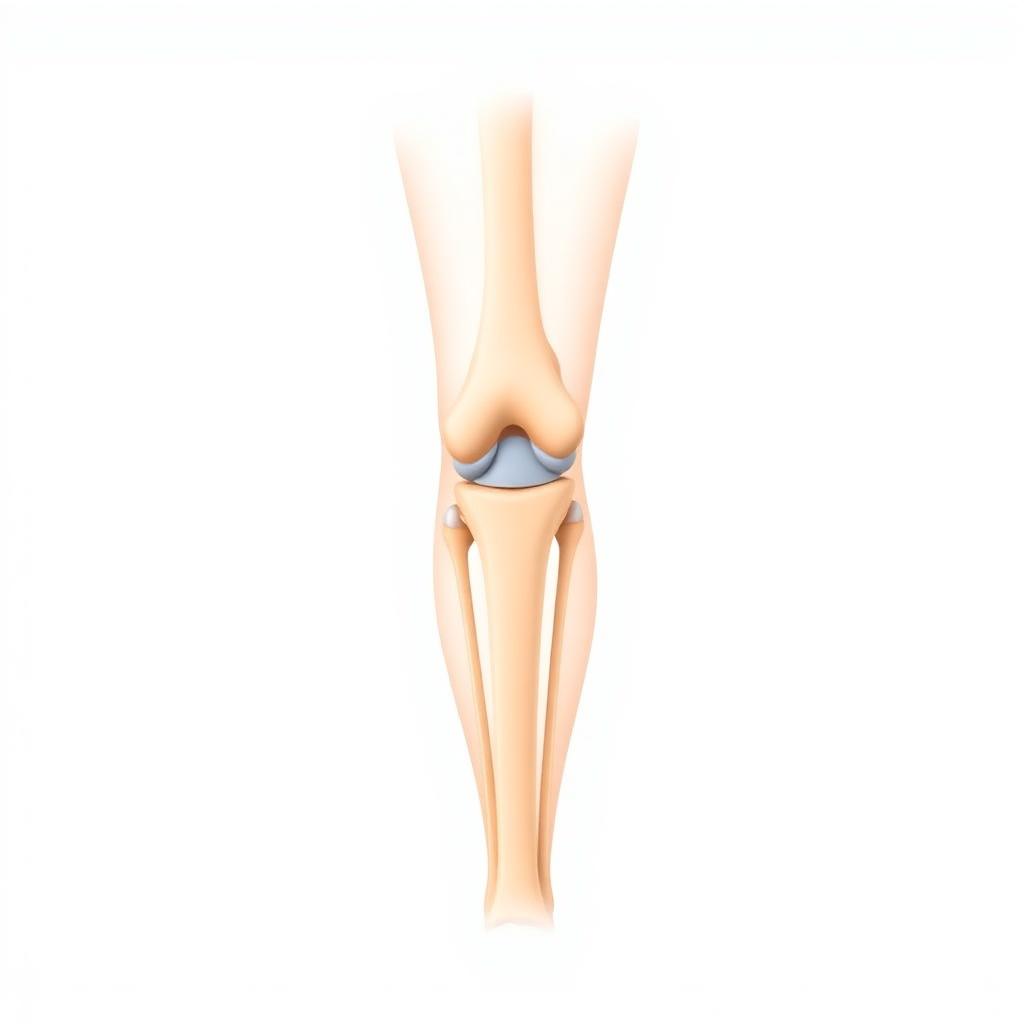
Modern knee replacement is performed as a minimally invasive, muscle-sparing procedure — replacing the knee without cutting the major muscles. The incision is approximately 6–8 inches.
Depending on bone quality, you may receive a cemented or cementless knee replacement. The bones are capped with a cobalt-chromium femur and tibia, with a high-grade polyethylene insert between them. The articulation of the knee is between the polyethylene and the cobalt-chromium femur. Modern bearing-surface technology allows these implants to last 30+ years in most patients.
The kneecap is inspected during surgery. If there is minimal arthritis and the patella tracks properly, it may be left unresurfaced — preserving more of your native bone, often causing less pain, and avoiding the risk of patellar fracture. If significantly damaged, the patella is replaced with a polyethylene patella button.
After surgery you will walk with a walker for protection. Most patients are safely discharged the same day or after one night.
Components used:
- Femoral Component — placed on the end of the thigh bone (cemented or press-fit).
- Tibial Component — placed on top of the tibia.
- Plastic Insert — high-grade polyethylene that articulates with the cobalt-chromium femur.
- Patella (kneecap) — only resurfaced with a polyethylene button if significantly damaged.
Learn more
The exercise program
Illustrated, phase by phase — what each movement is for and how it typically progresses. Starts with a printable sheet of the exercises most people begin with.
View the exercise program