Hip Replacement
A complete guide to the direct anterior, muscle-sparing hip replacement — from understanding the procedure to a comfortable recovery.
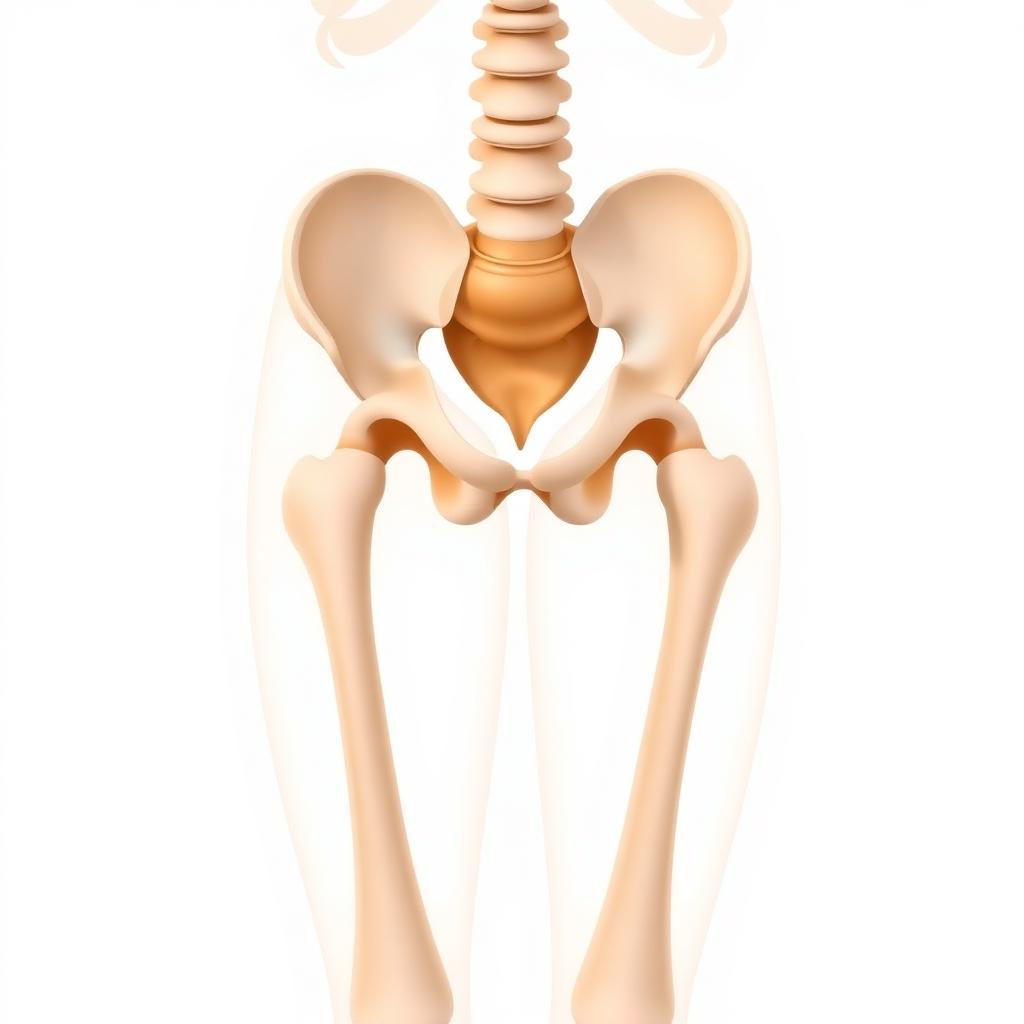
Modern hip replacement is most commonly performed as a minimally invasive, muscle-sparing direct anterior procedure. This advanced technique replaces the hip without cutting any muscles, tendons, or ligaments — meaning significantly reduced pain and quicker recovery compared to traditional posterior or lateral approaches.
The incision is typically 3–4 inches (8–10 cm) in length. The muscles are gently moved aside, the arthritic ends of the bones are removed, and a new socket and stem are implanted. A ceramic ball recreates the ball-and-socket joint. Modern polyethylene liner technology allows these bearing surfaces to last 30+ years in most patients.
After surgery you will walk with a walker for protection. Most patients are safely discharged the same day or after one night.
Components used:
- Femoral Stem — titanium, placed into the thigh bone.
- Ball — ceramic, placed on the femoral stem.
- Cup — placed in the acetabulum (pelvis socket).
- Liner — high-grade polyethylene that articulates with the ceramic ball.
Learn more
The exercise program
Illustrated, phase by phase — what each movement is for and how it typically progresses. Starts with a printable sheet of the exercises most people begin with.
View the exercise program